Best Jamaican Food in Denver for Lunch and Dinner
Denver is not the first city most people name when they talk about Jamaican cooking, but that can work in your favor. In smaller food scenes, the places that endure usually do so because they cook with conviction. They build a loyal lunch crowd, they keep regulars coming back for dinner, and they understand that Jamaican food is not just about heat or novelty. It is about depth, patience, and balance.
If you are searching for jamaican food denver, the first thing to know is that the best meals tend to come from kitchens that treat the classics seriously. You want rice and peas with distinct flavor rather than a bland filler. You want jerk seasoning that tastes layered, smoky, and herbal, not just aggressively spicy. You want braised meats that feel like they have spent real time in the pot. Those details separate a memorable meal from a plate that only gestures toward the cuisine.
The second thing to know is that lunch and dinner can be very different experiences, even at the same restaurant. At lunch, value and speed matter. At dinner, range matters more. A place may be excellent for a quick plate of jerk chicken at noon and even better at night when the kitchen has time to lean into oxtail, curry goat, escovitch fish, or richer sides that reward a slower meal.
Denver’s dining habits also shape what you will find. Many Jamaican and Caribbean spots in the city function as hybrid takeout and sit-down operations. Some serve a broad Caribbean menu rather than a strictly Jamaican one. That is not automatically a problem. In practice, it often means the strongest dishes are the ones the kitchen sells most often and has refined over time. A restaurant with a mixed menu can still turn out excellent Jamaican food, but it helps to order strategically.
What makes Jamaican food worth seeking out in Denver
Jamaican cooking has a way of delivering comfort and intensity at the same time. One plate can give you char, sweetness, thyme, scallion, allspice, ginger, pepper, and a starch that settles everything into place. Good Jamaican food feels generous without being clumsy. The seasoning should travel through the meat, not sit on top of it. The sauce should taste developed, not rushed.
That is especially important in Denver, where dry air and altitude can expose weak technique. Roasted meats can dry out faster. Braises need attention. Fried items can go from crisp to tired in a short drive home. When a Jamaican restaurant in Denver gets those variables right, the result stands out immediately. You taste the care in the moisture of the chicken, the tenderness of the goat, the texture of coco bread, the freshness of slaw or steamed cabbage.
There is also a social dimension to the meal. The best Jamaican spots tend to feel lived-in rather than polished for effect. The room may be casual. Service may be brisk during peak hours. Music may be part of the atmosphere without turning dinner into a performance. What matters is whether the kitchen communicates confidence. People who know the food tend to forgive simple interiors if the seasoning is right.
The lunch plate that earns repeat visits
Lunch is where many people first test a Jamaican restaurant. It is the hour when you can figure out whether the kitchen handles fundamentals well. A good lunch plate should come out fast enough for a work break, but not so fast that it feels preassembled and neglected. At its best, Jamaican lunch in Denver hits a rare middle ground. It is filling, practical, and still distinctive.
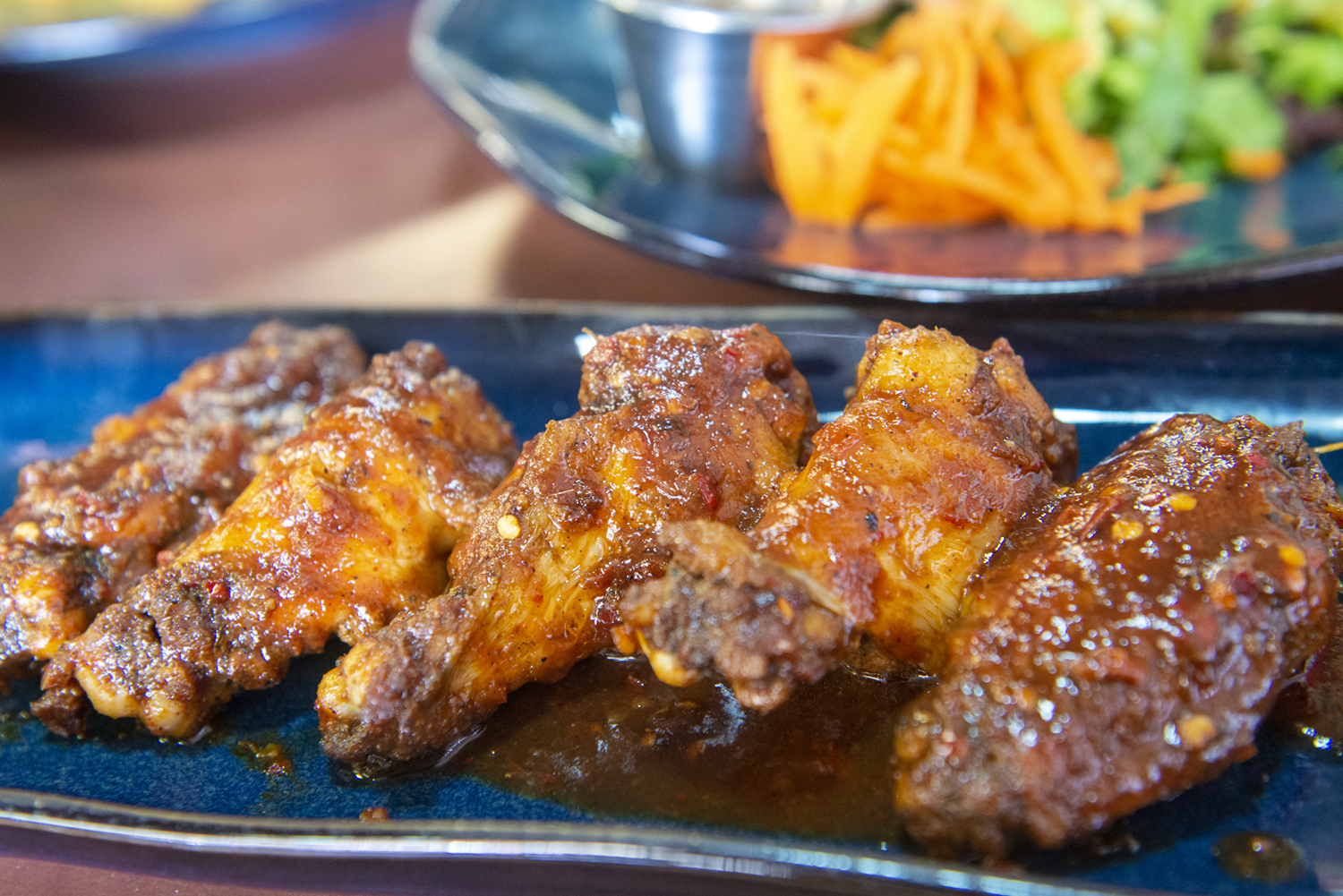
Jerk chicken is often the most reliable starting point. Not every restaurant can offer true pimento wood smoke, especially in a city with strict equipment realities and indoor ventilation limits, but the best versions still give you a convincing profile. You should get warmth from Scotch bonnet or a similar pepper, fragrance from thyme and scallion, and enough browning or grill char to keep the meat interesting. If the chicken is dry, the restaurant has missed one of the easiest trust-building opportunities on the menu.
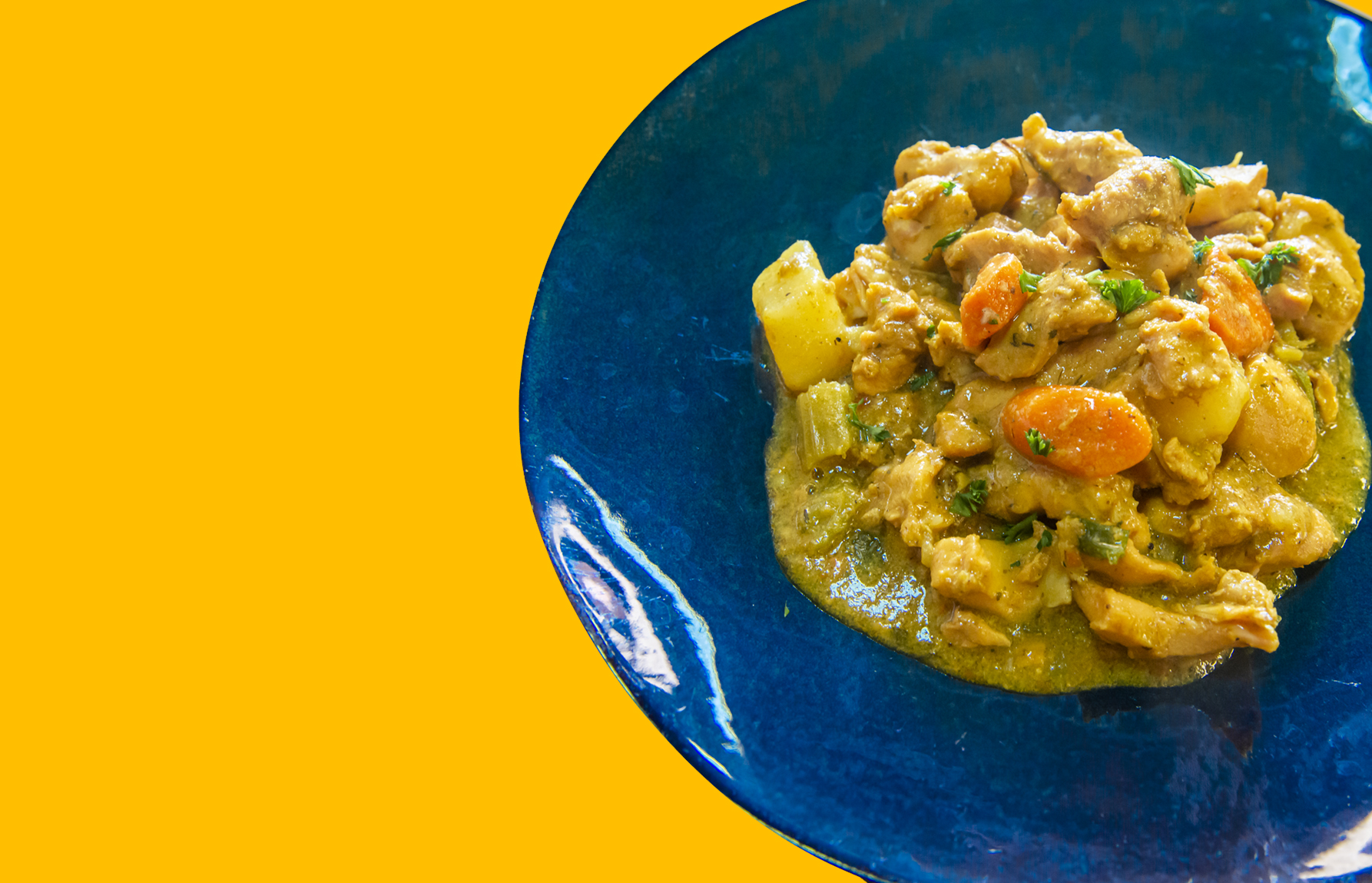
Curry chicken is another strong lunch order, especially if you want something comforting without the heaviness of oxtail. When done well, the sauce clings rather than floods. The curry should taste toasted and integrated, not dusty or one-dimensional. Potatoes, if included, should be soft but intact. White rice can handle the sauce well, but rice and peas often make the plate more satisfying.
Brown stew chicken is one of the most underrated midday meals. It does not have the fame of jerk, but it often tells you more about the kitchen. The sauce should be savory and slightly sweet, with enough reduction to coat the chicken. Bell peppers, onions, and carrots can bring brightness if they are not overcooked. On a cold Denver day, a good brown stew has exactly the kind of restorative quality people claim to want from comfort food.
For vegetarians, the strongest lunch option is usually a vegetable curry or a plate built around rice, peas, cabbage, and plantains. Some restaurants also offer Ital-inspired dishes, though availability can be uneven. It helps to ask what is made fresh that day rather than ordering by category alone. In smaller operations, freshness often matters more than menu size.
Dinner is where the kitchen shows its range
Dinner is the right time to order the dishes that need more time and more confidence. That usually means oxtail, curry goat, and fish preparations if the restaurant handles seafood regularly. These are the meals that tell you whether the kitchen knows how to build flavor patiently.
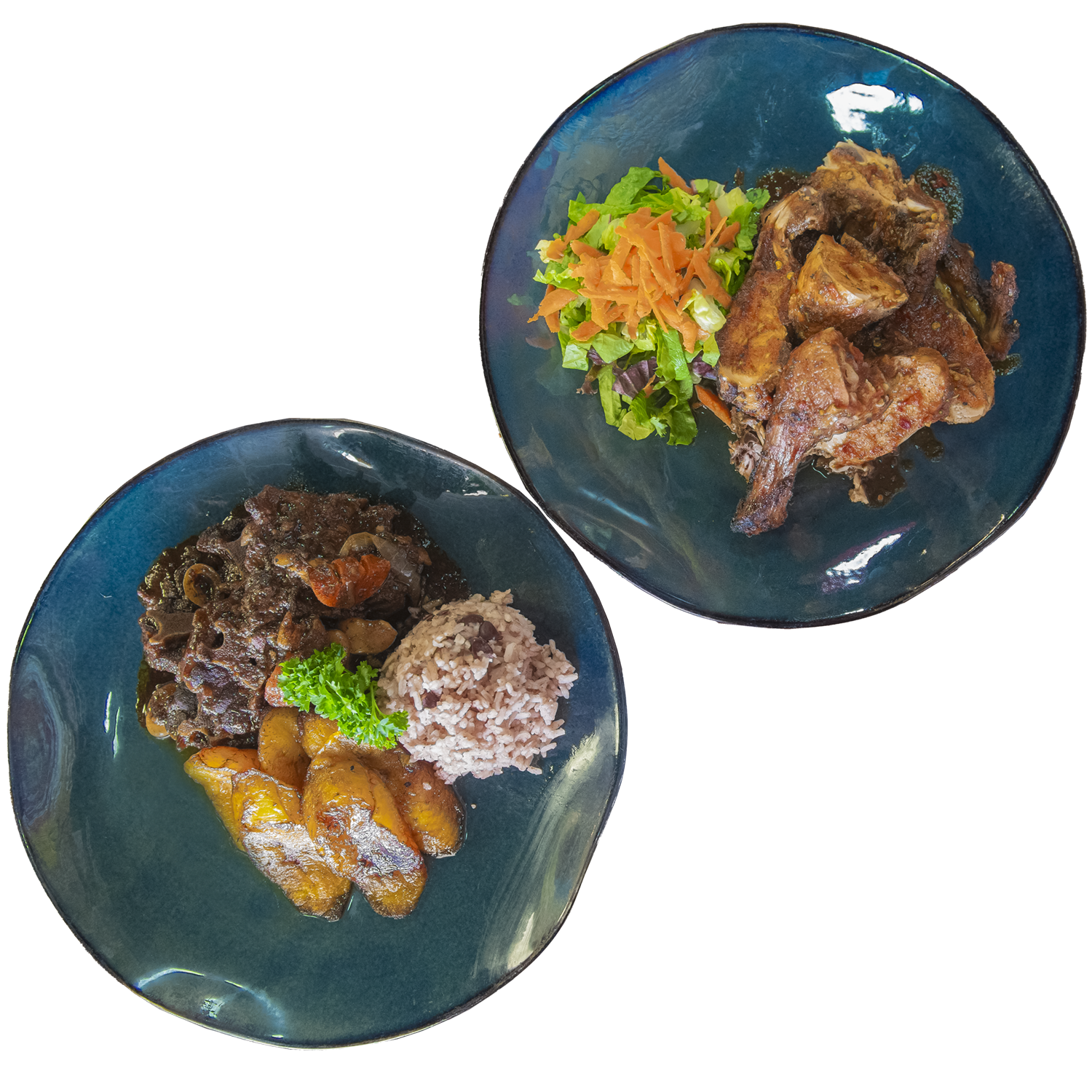
Oxtail should be glossy, rich, and spoon-tender without collapsing into grease. The sauce needs body, but it should not feel muddy. Beans are common in the braise and can add comfort and texture when balanced properly. In Denver, where diners often chase huge portions, some places lean too heavily on gravy and starch. The better move is proportion. Enough sauce to season the rice, enough meat to justify the order, and enough acidity somewhere on the plate, maybe in slaw or pickled vegetables, to keep the richness in check.
Curry goat can be excellent at dinner because it rewards slow cooking. Goat has a flavor that stands up to heavy seasoning, which is why a well-made curry can taste so complete. You want pieces that pull apart with little resistance, but still keep their shape. The curry should smell warm and earthy before you even take a bite. If the meat is bony, that is not unusual, but there should still be enough substance to make the plate worthwhile.
Fish can be the sleeper hit. Escovitch fish, when available, offers one of the clearest examples of balance in Jamaican cooking. You get fried fish, sharp pickled vegetables, heat, and acid all at once. It is a dinner that feels lively rather than heavy. The challenge in Denver is consistency. Seafood demands turnover, timing, and careful frying. If a Jamaican restaurant is busy enough to move fish regularly, that is a good sign.
Dinner is also when sides matter more. Rice and peas is the baseline, but fried plantains, cabbage, festival, and mac and cheese each change the meal’s rhythm. Plantains bring sweetness and softness. Cabbage cuts through richer proteins. Festival, that lightly sweet fried dough, can be one of the smartest additions on a plate with spicy jerk because it offers relief without dulling the seasoning.
The dishes that separate a serious kitchen from an average one
Not every menu item carries the same diagnostic value. Some dishes are forgiving. Others expose shortcuts instantly. If you really want to know whether a Jamaican restaurant deserves your lunch dollars and your dinner plans, pay attention to a few key categories.
- Jerk chicken or jerk pork, because seasoning and moisture are impossible to fake
- Oxtail, because it reveals whether the kitchen understands braising and sauce control
- Rice and peas, because weak seasoning here usually means weak seasoning elsewhere
- Plantains, because texture matters and old oil is easy to detect
- Patties, because pastry quality and filling balance say a lot about standards
Patties deserve a special note. They are not always made in-house, and there is no shame in that if the restaurant sources them well and heats them properly. But when a place makes or handles patties with https://www.behance.net/reggaepotdenver care, you notice. The crust should be flaky and delicate, with enough structure to hold the filling. Beef should be savory and seasoned, not greasy. Chicken patties should taste like actual chicken, not generic spice. A coco bread pairing can turn a snack into a real lunch if you are in a hurry.
Rice and peas is often misunderstood by newcomers who expect peas in the green garden sense. In Jamaican cooking, this usually means rice cooked with beans, commonly kidney beans, along with coconut milk and aromatics. When it is done right, the rice is fragrant and distinct, not mushy. Bland rice and peas is one of the quickest signs that the kitchen is coasting.
How lunch diners and dinner diners should order differently
A lot of disappointment comes from ordering the right food at the wrong time. Some dishes are built for speed, others for a slower evening. If you match your order to the service window, your odds improve.
At lunch, the safest path is usually a chicken plate or a patty combo. These items hold well, move quickly, and often represent the kitchen’s daily core. If you need to eat in the car or back at the office, jerk chicken with rice and peas is practical. Brown stew chicken travels well too. Fried fish and heavily sauced braises can be less forgiving if they sit in a container for twenty minutes.
Dinner gives you room to order the dishes that may run out or take longer. Oxtail, curry goat, and escovitch fish make more sense when you are not watching the clock. If you are dining with two or three people, sharing a mix of mains and sides is ideal because Jamaican food is particularly revealing in contrast. A forkful of rich oxtail next to bright cabbage and sweet plantain tells you much more than eating one monochrome plate alone.
Heat tolerance matters too. People often ask whether jerk is “very spicy,” but that question can miss the point. Authentic jerk should be hot enough to register, but the more important quality is complexity. The best approach is to ask whether the kitchen can adjust added hot sauce rather than the base seasoning. A milder table sauce is negotiable. A fully timid jerk marinade usually means flavor has been flattened for broad appeal.
A few signs you have found one of the better Jamaican spots in Denver
There are clues that matter before the food even arrives. A short, focused menu can be a very good sign. So can a daily special board, especially if it reflects what the kitchen actually has ready rather than a wish list. Staff who answer simple questions clearly, such as what sold well that day or whether a dish is spicy, often know their menu well because they have eaten it often themselves.
Turnover matters. A busy lunch crowd is useful evidence, especially for chicken dishes, patties, and sides. A steady dinner crowd matters even more for braised items and fish. If you arrive late and the best dishes are sold out, that can be frustrating, but it is not necessarily a negative. In Jamaican cooking, running out sometimes means the kitchen cooked with realism rather than overproduction.
Smell is an underrated factor. A restaurant that smells like grilled spice, onion, thyme, and simmering stock is generally on the right track. A room dominated by stale fryer oil or old grease is harder to excuse. Denver has enough dining options that you do not need to settle for food that seems tired before you even order.
The Denver factor, altitude, climate, and takeout realities
Denver changes the way many foods behave, and Jamaican food is no exception. Dry air can toughen grilled meat if the kitchen is careless. Fried items cool quickly, then steam inside to-go containers. Sauces can reduce faster than expected. Restaurants that thrive here adapt. They build in moisture, use sauces intelligently, and package food in a way that protects texture as much as possible.
This matters because a large share of jamaican food denver orders are takeout. If you are eating at home, think about what holds up best. Braised dishes often improve slightly in transit because the flavors settle and the sauce keeps the meat protected. Jerk can lose a bit of its edge if sealed too long, especially if steam softens the exterior. Fish is the trickiest. It can still be excellent, but only if the restaurant packs it carefully and you get home quickly.
If you are picking up food on a winter evening, the cold can work against you fast. Denver temperatures can turn a five-minute delay into a lukewarm meal. I have learned that bringing an insulated bag for takeout is not overkill, especially for soups, curries, and dinners with multiple containers. It sounds small, but it makes the difference between tasting the restaurant’s work and tasting what travel did to it.
What to order if you are new to Jamaican food
New diners sometimes overcorrect. They either play it too safe and order the blandest option, or they jump straight into the heaviest plate without understanding what they enjoy. The better approach is to choose a dish with familiar structure but distinct seasoning.
- Start with jerk chicken or brown stew chicken
- Choose rice and peas over plain white rice if available
- Add one side that contrasts the main, usually cabbage or plantains
- Ask for hot sauce on the side if you are unsure about spice
- Split a patty or festival with the table if you want a broader read on the kitchen
That order gives you a complete picture without locking you into the richest or most expensive dish first. Once you know a restaurant handles chicken, rice, and sides well, it makes sense to come back for oxtail or curry goat.
For families, Jamaican food can work surprisingly well because the plate architecture is familiar even when the seasoning is not. Children who do not want heat often like plain rice, sweet plantains, and mild chicken. Adults can layer on sauces and spicier mains. The cuisine is communal by nature, which makes it easier to satisfy mixed preferences than people expect.
Value, portions, and where money is well spent
Jamaican food often looks expensive at first glance, especially for dinner braises like oxtail, but price alone can be misleading. Oxtail has become costly across the country, and goat is rarely cheap either. If a restaurant charges more for these dishes, the real question is whether the portion, tenderness, and sauce justify the spend.
Lunch combos usually offer the strongest value. A well-packed jerk or curry plate can cover both appetite and leftovers. Patties are sometimes the budget play, though they should not be the only thing you judge the restaurant by. Dinner is where spending a little more often pays off, because the labor-heavy dishes are the ones most likely to showcase the kitchen’s skill.
One caution on portions. Bigger is not always better. A huge plate of underseasoned rice and oversauced meat is less satisfying than a balanced plate where every component tastes intentional. Some of the best Jamaican meals I have had were not oversized. They were just exact. The seasoning was right, the starch supported the protein, and I finished the meal wanting to come back rather than needing a nap.
When a broad Caribbean menu is still worth your time
Denver restaurants that serve Jamaican food sometimes also offer Trinidadian, Haitian, or generalized Caribbean dishes. Purists may hesitate, but broad menus are not automatically diluted. What matters is whether the Jamaican section feels central or decorative. If the restaurant clearly moves jerk, curry, patties, and sides every day, the cross-island menu can actually be a strength. It may reflect a kitchen with broader regional knowledge and a customer base that understands the food.
The warning sign is a menu that tries to do everything but specializes in nothing. If the descriptions are vague, the staples are missing, or the staff cannot explain the difference between key dishes, keep expectations modest. But if the kitchen knows its lane, a broader menu can make for a better group dinner. One person gets jerk chicken, another gets curry goat, someone else orders plantains and a patty, and everyone leaves with a fuller sense of the restaurant.
Finding the best Jamaican meal for the moment
The best Jamaican food in Denver is not one fixed plate for every occasion. It depends on the hour, your appetite, and how much time you have. For a weekday lunch, the ideal meal is often jerk or brown stew chicken with rice and peas, maybe a side of cabbage, something fast and deeply seasoned that still lets you function after. For dinner, the ceiling rises. That is when oxtail, curry goat, escovitch fish, and a thoughtful spread of sides become worth the extra money and time.
If you keep one standard in mind, make it this. The best Jamaican restaurants in Denver are the ones that make every part of the plate matter. Not just the headline protein, but the rice, the vegetables, the plantains, the gravy, even the heat level. Jamaican food is too rich a cuisine to be reduced to one spicy chicken dish and a pile of starch. When a Denver kitchen understands that, lunch becomes more than a quick stop and dinner becomes more than takeout. It becomes a meal with memory, which is the real measure of whether a restaurant belongs on your repeat list.
Reggae Pot Jamaican Grill
Address: 2243 S Monaco St Pkwy #104, Denver, CO 80222
Phone number: +17204102956
FAQ About Jamaican Food Denver
What is typical Jamaican food?
Typical Jamaican food features bold, vibrant flavors created by blending African, Taino, European, and Asian influences.
What is a famous Jamaican dish?
Ackee and saltfish is Jamaica's national dish, made by sautéing the soft local ackee fruit with salted cod, onions, tomatoes, and spicy Scotch bonnet peppers.
What food is most popular in Jamaica?
The most popular and famous food in Jamaica is Jerk Chicken, celebrated worldwide for its smoky, spicy flavor.