Jamaican Food Dishes That Turn Any Meal Into a Feast
There are cuisines that satisfy hunger, and then there are cuisines that change the mood at the table. Jamaican food belongs firmly in the second category. It is generous, layered, aromatic, and deeply tied to memory. A proper Jamaican meal does not arrive quietly. It comes with spice on the air, color across the plate, and enough personality to make side dishes feel like co-stars rather than support acts.
What makes Jamaican food so compelling is not only heat, though Scotch bonnet certainly has its place. It is the balance. Sweetness meets smoke. Salted fish finds relief in soft dumplings. Rich gravies sit beside bright pickled vegetables. Rice and peas are never just starch. Plantains are not garnish. Even the sauces and relishes carry weight. When the cooking is done well, the meal feels abundant without becoming clumsy.
Anyone who has spent time around a Jamaican kitchen knows that feast-making is not limited to holidays or large gatherings. A Sunday dinner can have the structure and pride of a celebration. A roadside jerk pan can produce a meal with more character than many formal restaurants. The food has range, but it also has a clear point of view. It feeds with confidence.
The dishes that anchor the table
Ask ten people to define the center of a Jamaican meal and you may get ten answers, but certain dishes appear again and again because they deliver that unmistakable sense of occasion.
Jerk chicken is the obvious place to start, though it is often poorly understood outside Jamaica. Too many versions focus on blunt heat and miss the architecture of the seasoning. Good jerk has fire, yes, but it also has allspice, thyme, scallion, ginger, garlic, and the dark, slightly bitter edge that comes from pimento wood smoke or careful charring. The chicken should carry the marinade all the way through, not just on the skin. When cooked over real smoke, the meat develops an aroma that announces dinner before anyone sits down.
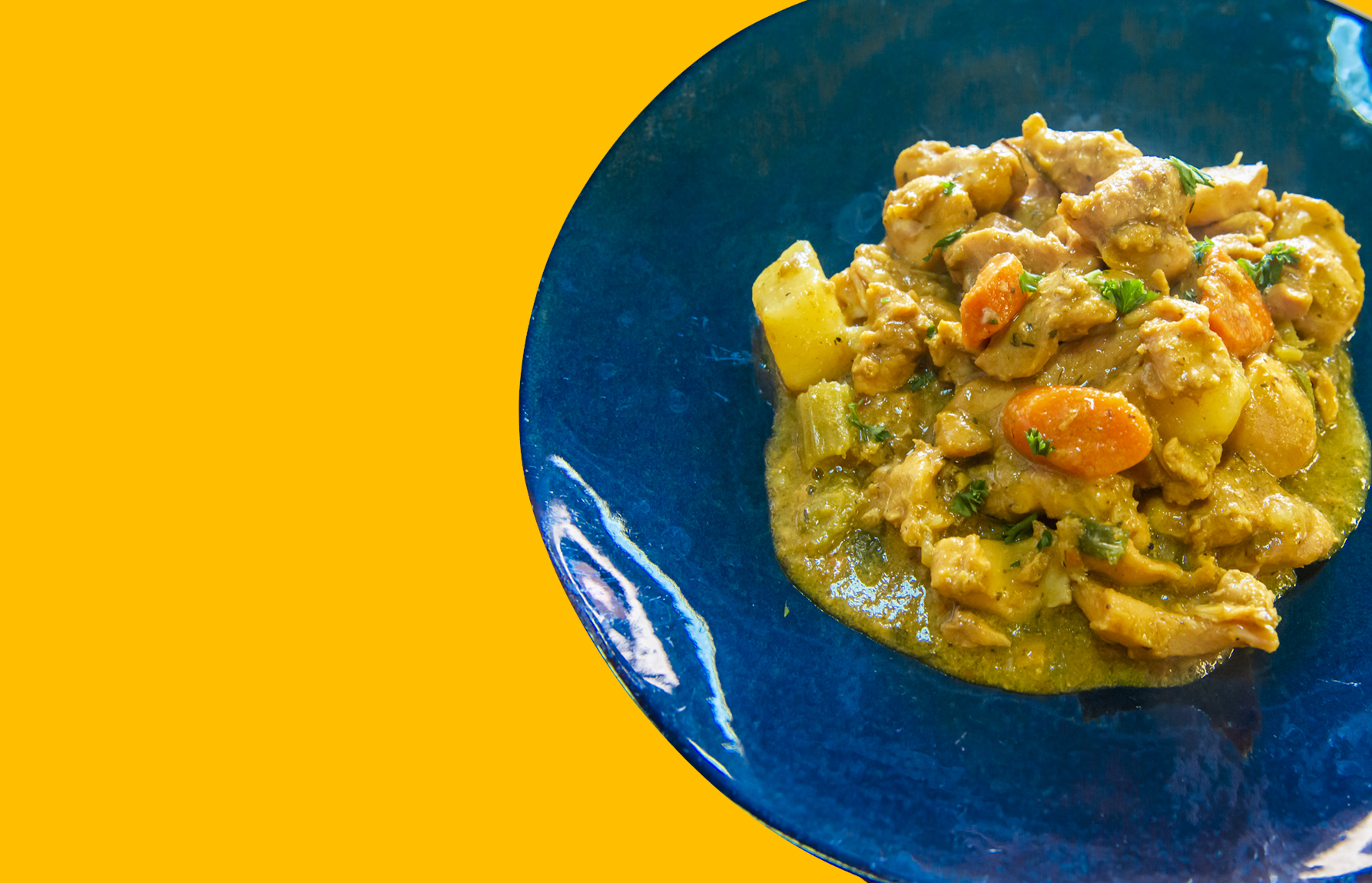
Then there is curry goat, one of the most satisfying large-format dishes you can set before guests. Properly made, it is tender but not collapsed, https://travisepmy212.fotosdefrases.com/jamaican-food-that-brings-the-caribbean-to-your-table with a sauce that clings rather than floods. Jamaican curry powder has its own identity, usually warmer and more fragrant than many supermarket blends, often with turmeric, coriander, cumin, fenugreek, and allspice contributing depth. Goat rewards patience. Rush it, and it stays stubborn. Give it time, and it turns lush, with enough body in the gravy to transform rice, festival, or boiled provisions into something memorable.
Oxtail occupies a similar emotional space. It is not everyday food in many households anymore, partly because the price has climbed so sharply over the years, but it still reads as a dish made with care. The best versions are sticky, glossy, and almost spoon-soft, usually braised with butter beans, browning, herbs, and enough time for collagen to do its work. There is a practical lesson in oxtail that applies to much of Jamaican cooking: flavor is often built in stages, not shortcuts. Browning the meat well matters. Letting aromatics sweat matters. Resting the finished pot matters.
Escovitch fish brings another kind of feast energy, brighter and sharper. A whole fried fish topped with hot vinegar-based dressing, onions, carrots, and Scotch bonnet has immediate visual drama. More importantly, it cuts through richer dishes on the same table. In homes and restaurants alike, escovitch often appears when someone wants contrast, not just fullness. If jerk and braises bring smoke and depth, escovitch brings edge and lift.
Ackee and saltfish deserves its reputation as a national dish because it captures the cuisine’s talent for making strong flavors feel harmonious. The salted cod gives structure and savory punch. The ackee, when cooked properly, is delicate and buttery, almost egg-like in texture but softer. Add onion, tomato, Scotch bonnet, and thyme, and the dish becomes at once hearty and refined. It can carry breakfast, but it also holds its own as part of a larger spread with fried dumplings, breadfruit, or boiled green banana.
Rice and peas is never an afterthought
Anyone treating rice and peas as filler is missing the point. In Jamaican food, it is one of the main ways a meal becomes complete. The phrase usually refers to rice cooked with kidney beans or gungo peas, coconut milk, thyme, scallion, garlic, and often a whole Scotch bonnet for aroma. The goal is not coconut rice in the sweet, resort-style sense. It should be savory, fragrant, and subtle enough to partner with strong mains without disappearing beside them.
Texture matters here more than many cooks realize. Rice and peas should be distinct and tender, not wet or mushy. There should be enough richness from the coconut milk to carry flavor, but not so much that every mouthful feels heavy. When it is done well, it acts like a bridge between sauced meats, fried fish, and starchy sides. It absorbs gravy, tames spice, and gives the meal its grounding.
This is one of those dishes where technique reveals experience. Too little seasoning and the pot tastes flat. Too much liquid and the rice bloats. Add the Scotch bonnet whole and you get aroma without overwhelming heat. Let it burst by accident and the entire batch changes character. Those are the kinds of details that separate a passable plate from one that makes people go back for seconds even before the meat runs low.
The side dishes that secretly carry the feast
A Jamaican feast rises or falls on its side dishes. The mains draw attention, but the supporting cast controls the rhythm of the meal.
Fried plantain is one of the most effective examples. Sweet, caramelized at the edges, soft in the center, it offsets spicy and salty dishes beautifully. The best slices are taken from plantains that have gone well past green, often mottled black and yellow, so the natural sugars have developed. If they are under-ripe, the result is starchy rather than lush. If they are over-fried, the sweetness tips into bitterness. There is a narrow window, and good cooks know it by sight.
Festival performs a different job. Slightly sweet fried dough, crisp outside and tender inside, it is especially good alongside jerk meats because it softens the smoke and chili while adding texture. That sweet-savory interplay is one of the quiet signatures of Jamaican food. It shows up again in hard dough bread served with saltfish, and in the way a spicy stew feels more complete with ripe plantain or yam on the plate.
Boiled provisions, which might include yam, green banana, dumpling, and coco, bring heft without fussiness. These foods do not shout, and that is exactly why they matter. They steady a meal. They provide a canvas for sauces and salted dishes. They also speak to the practical roots of the cuisine, where nourishment and flavor had to coexist without waste.
Callaloo, whether sautéed simply or folded into a larger meal, adds a welcome vegetal note. It is often overshadowed in conversations about Jamaican food, but on an actual table it earns its place quickly. With onions, garlic, thyme, tomato, and sometimes okra, callaloo contributes freshness and a slight earthiness that keeps the feast from leaning too heavily on meat and starch.
Why patties punch above their weight
A patty is easy to underestimate because it looks portable and casual. In reality, a well-made Jamaican patty concentrates many of the cuisine’s strengths into one hand-held form. The crust should be flaky, tinted golden with turmeric or curry, and sturdy enough to hold the filling without turning tough. Inside, the filling should be juicy and seasoned, whether it is beef, chicken, vegetable, saltfish, or a spicier variation.
A patty on its own is a quick meal. A tray of patties at a gathering changes the pace of service. People can eat while talking, standing, and waiting for larger dishes to come out. Patties also widen the menu without demanding another full-scale plated course. That is part of what makes them useful for turning a meal into a feast. They create anticipation.
There is also a cultural detail worth appreciating. The best patties are not merely meat pies with heat. They have a distinct seasoning profile, often involving thyme, scallion, Scotch bonnet, and a particular savoriness that feels unmistakably Jamaican. The texture contrast matters as much as the flavor. Flake, steam, spice, and richness all need to arrive together.
Soups and stews that make the table feel generous
If you want a Jamaican meal to feel abundant in the old-fashioned sense, add a pot of soup. Soup in this context is not a timid first course. It is often substantial enough to be a meal itself.
Red peas soup, usually built with kidney beans, salted beef or pig’s tail, ground provisions, coconut milk, and spinners, delivers depth and body. It can be smoky, salty, creamy, and peppery in the same bowl. Chicken foot soup, pumpkin soup, mannish water, and fish tea all serve different purposes, but they share a common trait: they extend hospitality. A pot of soup suggests nobody should leave hungry.
Stew peas performs a similar role, straddling the line between soup and main dish depending on how it is served. The combination of beans, meat, coconut milk, and dumplings produces a texture that feels both rustic and deliberate. It is one of those dishes that tastes even better once the flavors have had time to settle. Leftovers are often exceptional, which is not an incidental benefit when feeding a crowd.
Heat, smoke, sweetness, acid
A feast feels like a feast when the palate keeps finding new points of interest. Jamaican cooking is excellent at this because it works with contrast instinctively.
Scotch bonnet deserves respect here, not just for spice level but for fruitiness. Used with restraint, it adds floral, almost tropical notes that many hotter-but-flatter peppers lack. Browning sauce contributes color and bittersweet depth to braises. Fresh thyme cuts through richness. Allspice ties savory dishes to a warm aromatic thread that runs through jerk, curries, stews, and even some baked goods.
Pickled elements matter more than they sometimes get credit for. Escovitch dressing is the clearest example, but even a simple side of cucumber or a sharp slaw can transform a heavy plate. Acid wakes up the food. It is one reason a full Jamaican spread rarely feels monotonous, even when several dishes are rich.
Sweetness is handled with more sophistication than outsiders often expect. It appears in ripe plantain, festival, caramelized onions, and the natural sweetness of coconut milk or pumpkin. But it is usually balanced by salt, spice, or char. That interplay keeps the meal from feeling one-note.
Building a Jamaican meal that feels complete
Not every meal needs six pots on the stove. The point is not excess for its own sake. A memorable Jamaican spread usually balances one strong centerpiece, one rice or starch, one bright or fresh element, and one indulgent extra.
Here is a practical combination that works beautifully for home cooks and larger gatherings alike:
- Jerk chicken or curry goat as the anchor
- Rice and peas for the base
- Fried plantain for sweetness
- Callaloo or a simple slaw for freshness
- Festival or fried dumpling for texture and comfort
That structure gives diners variety without creating a table full of dishes that all compete for attention. If the anchor is especially rich, such as oxtail, a sharper side like escovitch vegetables or a lighter green is a smart move. If the main is a fried fish, then dumplings or boiled provisions bring welcome substance.
One common mistake is choosing too many dishes that all lean heavily on dark gravy. Oxtail, stew beef, brown stew chicken, and stew peas can all be excellent, but served together they can flatten the meal rather than expand it. Contrast is what creates excitement. You want smoke beside creaminess, crispness beside softness, acid beside fat.
The breakfast dishes that can easily become centerpieces
It would be a mistake to confine Jamaican breakfast dishes to the morning. Ackee and saltfish is the standout, but it is not alone. Fried dumplings, callaloo, mackerel rundown, and roasted breadfruit can all anchor a brunch or even a supper table.
Mackerel rundown, with salted mackerel simmered in seasoned coconut milk, is especially good for cooks who want bold flavor without the longer commitment of braised meats. It tastes deeply savory, slightly sweet, and richly coastal. Pair it with boiled green bananas or Johnny cakes and you have a meal that feels substantial but not overworked.
Breadfruit deserves more praise in these conversations. Roasted breadfruit, split open and eaten with ackee and saltfish or rundown, has a dry, sturdy texture that soaks up flavor beautifully. It also adds that unmistakable sense of tradition to the meal. For many people, the aroma of roasting breadfruit alone is enough to trigger appetite.
What restaurants often miss, and home cooks get right
Many commercial versions of Jamaican food overemphasize intensity and underplay nuance. The jerk is too salty. The curry is too thick and one-dimensional. The rice is overloaded with coconut. Portions are huge, but the meal lacks shape. That is not a criticism of all restaurants, because excellent Jamaican restaurants absolutely exist. It is a reminder that this cuisine depends on judgment as much as seasoning.
Home cooks often understand the meal as a whole. They know when one dish needs to be quieter because another is already loud. They know that a little pickle on the side can rescue a rich plate. They know the value of resting braises overnight. They know that dumplings should be made the same day, and that plantains wait for no one once they hit the sweet spot in the pan.
If you are cooking Jamaican food for guests, those instincts matter more than chasing perfect authenticity in every ingredient. Better to make three dishes well and balance them intelligently than attempt nine and lose the thread. A feast should feel abundant, not chaotic.
Desserts and drinks that carry the spirit of the meal
Dessert is not always the main event in a Jamaican feast, but when it appears, it tends to arrive with confidence. Rum cake, also known in some contexts as black cake, is dense, fragrant, and celebratory. Sweet potato pudding, especially the style with that prized top layer called “hell a top,” brings spice, coconut, and a custardy chew that lingers pleasantly. Gizzada, grater cake, and toto all reflect the cuisine’s talent for making coconut, spice, and sweetness feel grounded rather than precious.
Drinks matter too. Sorrel, especially around Christmas, gives the table a tart, spiced brightness. Irish moss has a creamy, almost tonic-like role. Ting, kola champagne, and ginger beer each bring their own sort of nostalgia and refreshment. Ginger beer in particular is excellent with rich food because it cuts through fat and heat while echoing the spice cabinet already at work in the meal.
For hosts, the smartest move is often to keep dessert simpler when the savory table is expansive. A slice of rum cake or a pan of sweet potato pudding can finish the meal cleanly without requiring another major production.
A few practical habits that improve the result
The difference between a decent Jamaican meal and a feast often comes down to method more than ingredients. A handful of habits make a visible difference:
- Season meat early, preferably several hours ahead, so flavor penetrates instead of sitting on the surface
- Let browning and caramelization happen, because color is flavor in jerk, stew, and braised dishes
- Use fresh thyme, scallion, onion, and garlic generously, since they form much of the cuisine’s aromatic backbone
- Control Scotch bonnet carefully, especially in shared dishes, because aroma is just as valuable as full heat
- Balance every rich dish with something bright, crisp, or lightly sweet
These are not rigid rules, but they reflect the way experienced cooks keep the table lively. Jamaican food rewards patience, smell, and adjustment. You taste the pot, you watch the texture, and you respond.
The real reason these dishes feel festive
Part of the power of Jamaican food is culinary. The spice blends are distinctive, the cooking methods are proven, and the ingredient combinations are clever. But the deeper reason these dishes turn any meal into a feast is emotional. They are built around sharing. The portions tend to encourage passing, tasting, comparing, and going back for one more spoonful. The food invites conversation.
That is why a plate of curry goat with rice and peas can feel more memorable than a much fancier dinner. That is why a tray of patties can shift the energy of a room. That is why one pot of stew peas on the stove can make a house feel occupied in the best possible sense. Jamaican food brings appetite and atmosphere together.
When the jerk is smoky, the plantain is properly ripe, the rice and peas are fragrant, and the sides know their role, the table feels fuller than the number of dishes alone would suggest. That is the mark of a true feast. Not just plenty of food, but food with presence.
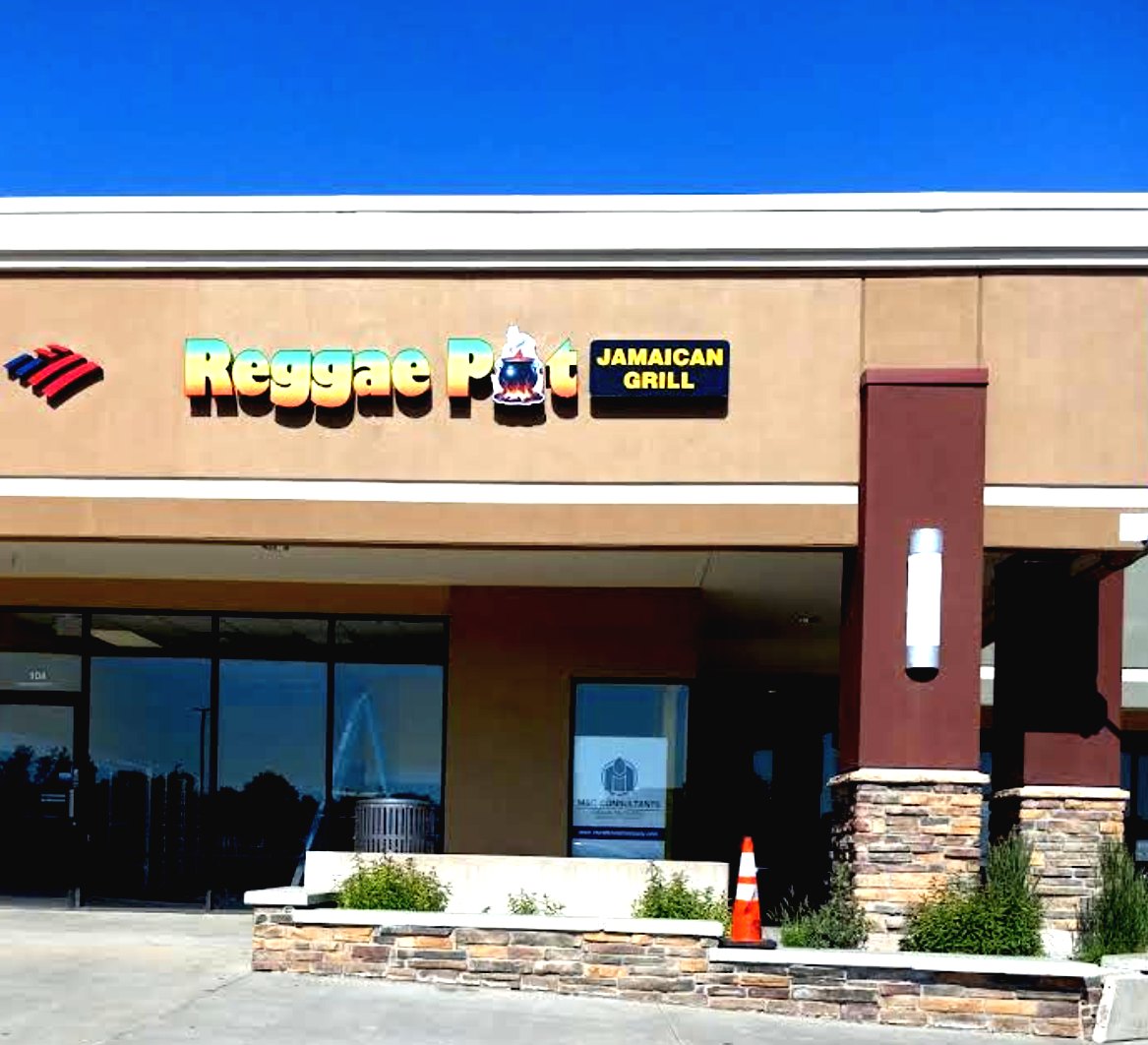
Reggae Pot Jamaican Grill
2243 S Monaco St Pkwy #104
Denver, CO 80222
+1 720-410-2956
FAQ About jamaican food
What is the best Jamaican food to try in Denver?
The best choice depends on your tastes. Popular options include jerk chicken, curry goat, slow-cooked oxtail, and savory patties. Reggae Pot lists these dishes on its menu, with sides such as rice and peas and plantains. Ask the Denver team about current availability and spice levels.
Is Jamaican food very spicy in Denver?
Heat varies by dish and preparation. Jerk seasoning often includes scotch bonnet peppers alongside herbs and allspice, while other dishes may have gentler seasoning. Ask about the heat of the specific dish and any sauce before ordering.
What are some popular Jamaican snacks?
Jamaican patties are a popular snack made with flaky pastry and savory meat or vegetable fillings. Other options include fried dumplings and festival, a sweet fried dough often served with savory dishes. Availability varies, so check the current menu when ordering.