Southern Restaurant Pittsburgh, PA: Delicious Ideas for Your Next Meal
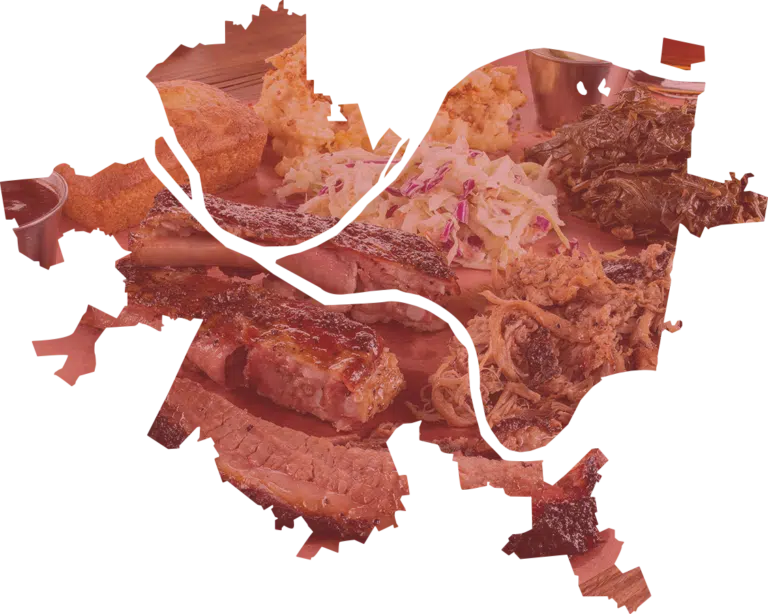
Finding a great southern restaurant Pittsburgh, PA diners will actually want to revisit is about more than spotting fried chicken on a menu. Good Southern cooking has a point of view. It should taste seasoned, patient, and generous. The best plates carry some contrast, crisp against tender, heat against sweetness, richness balanced by acid, and every component should feel intentional rather than decorative.
That matters in Pittsburgh, where people tend to appreciate food that is comforting without being lazy. This is a city that respects hearty meals, but it also rewards kitchens that know restraint. A biscuit should be rich, but not greasy. Shrimp and grits should feel luxurious, but not heavy enough to stop the rest of your day. Even a simple side of collard greens can tell you a lot about the restaurant. If they are silky, bright, and deeply savory, someone in the kitchen is paying attention.
Southern food also lends itself to almost any kind of meal. It can be a quick weekday lunch, a long brunch with friends, a date-night dinner built around shared sides, or a takeout order when you want something more satisfying than another burger. If you are trying to decide what to order next time you visit a Southern spot in Pittsburgh, it helps to think less about category and more about appetite, timing, and the style of cooking the kitchen does best.
What makes Southern food worth seeking out in Pittsburgh
Pittsburgh’s dining scene has become much broader over the years, and Southern cuisine fits surprisingly well here. The city’s climate invites comfort food for much of the year, and local diners often respond to meals that feel substantial and familiar. At the same time, Southern cooking brings https://maps.app.goo.gl/VF9QeS8FWQmjB3yf9 a different set of flavors than many classic Pittsburgh staples. You get smoke, pepper, vinegar, cornmeal, hot sauce, slow-cooked greens, pimento cheese, remoulade, and gravy done properly.
That variety is one reason people keep coming back. A well-run Southern restaurant can satisfy different kinds of cravings in a single sitting. One person might want crisp fried catfish with hush puppies. Another may be after chicken and waffles. Someone else orders a vegetable plate because the sides are strong enough to stand on their own. When the kitchen is talented, nobody feels like they settled.
In practice, Southern menus also tend to be friendlier to mixed groups than people expect. There is usually something indulgent, something lighter, something spicy, and something comforting without spice at all. I have seen tables where one guest ordered a towering brunch plate while another built an excellent meal out of mac and cheese, greens, and cornbread. Both left happy, which is harder to achieve than restaurant menus make it look.
Start with the dish the kitchen hangs its reputation on
If you are new to a particular Southern restaurant, order the item that exposes the fundamentals. Fried chicken is the obvious example, but it is not the only one. You want the dish that reveals how the cooks handle seasoning, texture, timing, and balance.
Fried chicken is a test because there is nowhere to hide. The crust should be audibly crisp, not merely browned. The meat should stay juicy all the way to the bone. Salt has to be present, but the seasoning should not stop there. Pepper, paprika, garlic, cayenne, or a house blend should create depth rather than noise. Good fried chicken tastes complete before you dip it in anything.
Biscuits tell a similar story. A proper biscuit should break open in soft layers, not crumble into dry chunks. It should smell of butter and flour, with a delicate interior and a lightly bronzed top. When a restaurant gets biscuits right, it usually means someone cares about the details that do not always appear in menu descriptions.
Shrimp and grits is another revealing order. On paper it sounds simple, but it can go wrong in several ways. The grits might be bland or undercooked, the shrimp rubbery, the sauce too salty, or the whole dish too heavy. When it is done well, though, it becomes the kind of plate you keep thinking about later. The grits should be creamy but still have body. The shrimp should snap lightly when you bite into them. The sauce should tie everything together without drowning it.
If it is your first visit, these orders rarely miss
When people ask me what to order first at a Southern restaurant, I usually steer them toward a few dependable categories. They give you a broad look at the kitchen’s style without requiring a giant leap of faith.
- Fried chicken with one classic side and one vegetable side
- Shrimp and grits, especially if the menu lists house-made stock, sausage, or a peppery pan sauce
- Chicken and waffles, if you want a brunch-leaning meal with sweet-salty contrast
- Catfish or another Southern-style seafood plate, particularly if the restaurant handles frying well
- A biscuit-based dish, such as biscuits and gravy or a biscuit sandwich, if you are visiting earlier in the day
That short list works because each option highlights a different strength. Fried chicken shows technique. Shrimp and grits reveals seasoning and sauce work. Catfish tells you whether the kitchen understands fry station timing. Biscuit dishes expose the baking side of the house. Chicken and waffles shows whether the menu’s playful items are actually built with discipline.
Brunch is where many Southern restaurants shine
Southern brunch can be excellent when it is approached with care. It gives the kitchen a chance to work across sweet, savory, crisp, and creamy in a single service. In Pittsburgh, where brunch is often social and leisurely rather than purely practical, this style of menu has a natural audience.
Chicken and waffles is the flashy order, and for good reason. The best versions avoid extremes. The waffle should be sturdy enough to hold syrup and chicken without turning soggy. The chicken should be seasoned enough to stand on its own, even if the syrup never touches it. A touch of heat in the batter or a drizzle of hot honey often keeps the plate from tipping too far into sweetness.
Biscuits and gravy, by contrast, is all about comfort and restraint. This dish can feel heavy if the gravy is pasty or over-thickened. Ideally, the gravy carries black pepper, sausage flavor, and a silky consistency that coats the biscuit without burying it. If eggs are included, they should add richness without becoming an afterthought. I have had versions where the biscuit was clearly the star and others where the peppery gravy carried the whole plate. Either can work if the textures are right.
For diners who want something a little less rich, a Southern omelet or breakfast plate can still capture the spirit of the cuisine. Grits instead of hash browns, pimento cheese worked into eggs, or a side of turkey sausage with a biscuit can make breakfast feel rooted in the South without turning the meal into a food challenge.
Lunch calls for a different strategy
At lunch, Southern food works best when you order with the rest of your day in mind. A giant plate of fried everything may sound appealing at noon, but not if you have a meeting, errands, or a long drive ahead. This is where sandwiches, po'boys, and plate lunches often outperform the more indulgent specialties.
A fried chicken sandwich is a strong lunch order if the restaurant knows how to build one. The chicken should extend beyond the bun a little, the slaw or pickles should bring crunch and acidity, and the sauce should support rather than dominate. Too many places stack a good piece of chicken under a bun that disintegrates by the third bite. The better restaurants solve that with structure, not gimmicks.
Po'boys deserve attention too. When done right, they bring a cleaner, more linear eating experience than a massive platter. You get crusty bread, a focused filling, and enough lettuce, tomato, pickles, or remoulade to keep things lively. Shrimp is the common choice, but oyster or catfish po'boys can be excellent if seafood handling is a priority in the kitchen.
Plate lunches are a smart move if you want a broader sample of the menu. A meat-and-two or meat-and-three format, where available, lets you judge the restaurant’s side dishes alongside the main event. This matters because Southern sides are rarely filler. In many kitchens, the greens, beans, and cornbread receive almost as much care as the proteins.
Dinner is the time to lean into the full experience
Dinner opens up the richer side of the menu. This is the meal where braised dishes, larger seafood plates, and multi-side combinations make the most sense. If you are dining with another person, Southern food is especially good for sharing. It helps you cover more ground and keeps the meal from becoming monotonous.
A good dinner strategy is to combine one fried item with one slow-cooked item. The contrast gives the table more range. For example, fried chicken pairs well with braised greens and a lighter side like cucumber salad or roasted vegetables. If one person orders catfish and the other chooses shrimp and grits, you get crisp texture, creamy texture, and enough contrast to keep both plates interesting through the last bite.
This is also the meal when mac and cheese can either earn its place or feel like ballast. Great Southern mac and cheese should taste of actual cheese first, not just cream or salt. The sauce should cling to the pasta rather than pool at the bottom of the dish. Some diners prefer a baked version with browned edges, others want a stovetop style that stays silkier. Either can be good. What matters is balance. A side that reads rich but still invites another bite is a side worth ordering again.
If the restaurant offers ribs, smothered pork chops, short ribs, or another slow-cooked centerpiece, pay attention to what accompanies it. Southern cooking is not just about tenderness. It is also about brightness and structure. Rich meat with no acidic relief can tire your palate fast. Pickled vegetables, hot sauce, vinegar-based slaw, or pepper-forward greens often make the dish feel complete.
Side dishes are not secondary here
One of the easiest mistakes diners make at a Southern restaurant is treating sides as interchangeable. They are not. In some places, the side program is where the kitchen’s personality really lives. I have returned to restaurants for a single side dish more often than for an entrée, especially when the cooks understand seasoning and texture.
Collard greens are a perfect example. They should taste like more than salt and broth. Good greens have depth, usually from smoked meat or a strong vegetable stock, but they also need brightness. That slight bitter edge is part of the appeal. When cooked too long or seasoned too heavily, they lose character and become murky.
Cornbread can vary wildly from one restaurant to another. Some kitchens lean savory, others sweeter. Neither style is automatically better. The real question is whether the cornbread suits the rest of the menu. Sweet cornbread works beautifully with spicy fried chicken or smoky barbecue. A more savory version can anchor rich stews or bean dishes. Texture matters just as much. Dry cornbread that crumbles into dust is hard to forgive.
Black-eyed peas, red beans, candied yams, dirty rice, and green beans each tell their own story. A good Southern restaurant in Pittsburgh, PA should not treat these as obligations. They should be seasoned, distinct, and clearly made by someone who expects people to order them on purpose.
What to ask before ordering
Servers at Southern restaurants can save you from an average meal if you ask the right questions. You do not need an interrogation. A couple of practical prompts can reveal what is freshest, what runs large, and what the house does best that day.
Ask whether the fried items are breaded to order or held under heat lamps. Ask which sides are most popular with the entrée you want. Ask if the grits are coarse and savory or softer and creamier. Ask whether the hot chicken, if offered, is truly hot or just mildly spiced for a broad audience. These details matter, especially if you are deciding between two dishes that sound equally good on paper.
Here are a few useful questions that tend to get straight answers:
- Which dish best represents the kitchen if I am here for the first time?
- Which side has the most flavor today?
- Is this portion enough for one hungry person, or is it better for sharing?
- How spicy is the house hot sauce or hot chicken, realistically?
- Are the biscuits baked throughout service or mostly earlier in the day?
Those answers can tell you a lot, not just about the meal but about the restaurant’s confidence. A thoughtful response usually signals a staff that knows the menu well.
Pairing the meal with the right drink
Southern food loves contrast, and drinks can help keep the meal in balance. Sweet tea is the classic pairing, but it works best when the food is spicy or peppery enough to stand up to the sweetness. If your meal already leans rich and sweet, think twice before adding a sugary drink on top of it.
Unsweet tea, sparkling water, a crisp lager, or even a straightforward lemonade can sharpen the edges of a heavy meal. For brunch, coffee often makes more sense than a cocktail if you are ordering gravy, biscuits, or a sweet-savory plate. The bitterness helps reset your palate between bites. If you do want alcohol, a dry sparkling wine or a light beer usually works better than something syrupy.
This is one of those small judgment calls that can improve the entire table. I have watched strong food lose some of its charm because every element of the meal was heavy. The fried entrée, the creamy side, the sweet cocktail, and the dessert all arrived in one unbroken line of richness. Better balance would have made each piece stand out more.
Dessert should finish the meal, not flatten it
Southern desserts can be glorious, but only if you order according to what came before. Banana pudding, peach cobbler, bread pudding, and pecan pie all have their place. The question is whether you still want that level of sweetness and density after the entrée and sides.
If dinner was fried and savory, banana pudding can feel like a gentle landing. It is creamy and nostalgic without necessarily being overbearing. Cobblers are excellent when the fruit still tastes like fruit and the topping gives some structure instead of turning pasty. Bread pudding can be deeply satisfying, but it benefits from moderation. A shared portion is often the smarter choice unless you skipped the heavier sides earlier.
The best Southern desserts carry a little restraint. Good kitchens know when to stop adding sugar. They let vanilla, spice, toasted nuts, or fruit acidity do part of the work. That is often what separates memorable dessert from something you abandon halfway through.
When takeout works, and when it does not
Southern food can travel well, but not every dish survives the trip home. Braises, mac and cheese, grits, beans, and many desserts hold up nicely. Fried foods are more variable. If the restaurant vents the container properly and the drive is short, fried chicken or catfish may arrive in respectable shape. Leave it sealed too long, though, and steam will soften the crust before you reach your front door.
If you are ordering takeout from a southern restaurant Pittsburgh, PA locals recommend for comfort food, choose dishes that retain moisture and reheat gracefully. Sides often become the heroes of the takeout order. A container of greens, a scoop of dirty rice, a biscuit or two, and a braised meat entrée can make for a better at-home meal than a mixed fried platter that spends twenty minutes in transit.
There is also a timing issue. If you care deeply about biscuit texture or the snap of fresh-fried batter, dine in. Some foods deserve to be eaten within minutes. Others are forgiving. Knowing the difference is half the battle.
The best meal depends on what kind of comfort you want
That is really the heart of ordering Southern food well. Comfort is not one thing. Sometimes you want the obvious answer, the hot fried chicken, the biscuit, the mac and cheese, the full indulgent spread. Other times comfort means a bowl of shrimp and grits that feels rich but composed, or a plate of greens, beans, and cornbread that tastes like someone cooked it with patience.
Pittsburgh is a strong city for meals that satisfy on a visceral level, and Southern cuisine fits neatly into that instinct. The key is finding a restaurant that respects the craft behind the comfort. Once you do, ordering gets easier. Look for the dishes that reveal care. Pay attention to the sides. Balance richness with acid and crunch. Ask a question or two if you are unsure. Then settle in and eat while it is hot.
A truly good Southern meal should feel generous without feeling careless. It should fill you up, but it should also make you notice details, the pepper in the gravy, the clean corn flavor in the grits, the lift of vinegar in the greens, the fragile top crust on the biscuit. When those details are in place, your next meal at a Southern restaurant in Pittsburgh can be more than satisfying. It can be the kind of meal you plan to repeat before the plate is even cleared.
Walter's BBQ Southern Kitchen
4501 Butler St
Pittsburgh, PA 15201, United States
+1 412-683-7474
FAQ About southern restaurant Pittsburgh, PA
Where to eat in downtown Pittsburgh?
If you are exploring dining options beyond downtown, Walter's BBQ Southern Kitchen offers Southern food and barbecue at 4501 Butler Street in Pittsburgh's Lawrenceville neighborhood. It is outside downtown, so allow travel time when planning your visit.
What is a must eat in Pittsburgh?
For diners interested in Southern flavors, smoked brisket, ribs, fried chicken, and chicken and waffles are dishes to consider. Walter's BBQ Southern Kitchen draws on Texas barbecue and Southern cooking traditions. Check the current menu for the dishes available during your visit.
What are some of Pittsburgh's unique restaurants?
Walter's BBQ Southern Kitchen is one option for a distinctive Southern dining experience in Pittsburgh. Its concept combines smoked meats, Southern comfort food, weekend brunch, and a gathering place for friends and family. The restaurant is located on Butler Street in Lawrenceville.