What to Expect When Reserving a Bar With Private Room
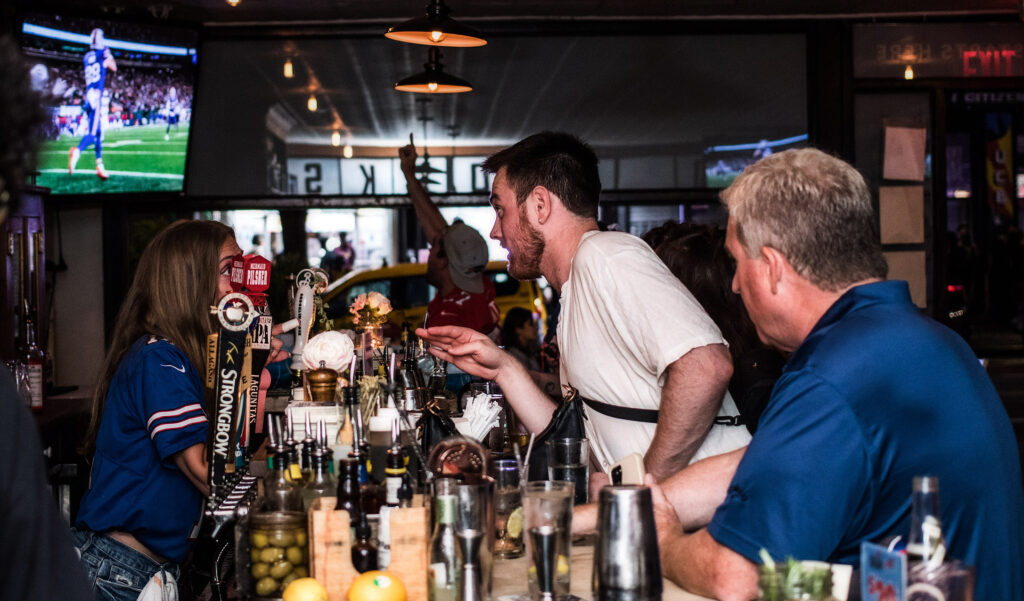
Reserving a bar with private room sounds simple on paper. You pick a date, give a headcount, and show up. In practice, the experience sits somewhere between restaurant booking, event planning, and hospitality negotiation. That is especially true once money, timing, guest expectations, and food and beverage minimums enter the picture.
Private rooms inside bars are popular for birthday parties, client gatherings, rehearsal dinners, networking events, holiday celebrations, and low-key wedding after-parties because they solve a few problems at once. They offer atmosphere without requiring a full venue buyout. They give your group some privacy without cutting you off from the energy of the main space. And they usually come with an easier planning process than a blank event hall.
That said, the phrase “private room” can mean very different things from one property to the next. Sometimes it means a fully enclosed room with its own staff and sound control. Sometimes it means a curtained-off mezzanine with semi-private seating and a dedicated server. If you have never booked one before, the difference matters more than most people expect.
The best reservations happen when the host understands not just what is being sold, but how bars actually operate during service. Once you know what questions to ask and what costs to anticipate, you can avoid the surprises that frustrate guests and strain budgets.
The first thing to understand: privacy is a spectrum
People often assume a bar with private room offers the same experience as a hotel meeting suite or a closed-door dining room. Sometimes it does. More often, it offers a version of privacy shaped by the building’s layout, liquor service model, and noise level.
A truly private room is usually enclosed, has a door, and allows your guests to gather with a sense of separation from the public floor. In many city bars, especially those in older buildings, a “private room” may instead be a side room, loft, cellar, patio section, or raised platform reserved only for your party. It may still feel exclusive, but sound can travel, foot traffic can pass nearby, and the bar’s playlist can be part of the atmosphere whether you want it or not.
This is not necessarily a drawback. For some events, a little spillover energy is exactly the appeal. A milestone birthday often benefits from a room that feels social and lively rather than sealed off. A team celebration after a conference usually works well in a semi-private space where guests can mingle and drift. A strategy meeting with senior clients or a family event with grandparents and young children requires a different setup.
When venues describe their spaces, listen carefully to the language. “Private,” “semi-private,” “exclusive use,” and “reserved section” are not interchangeable. Ask whether there are walls, doors, separate restrooms, dedicated speakers, or adjacent public tables. These details shape the experience far more than the brochure photos.
Expect the venue to ask practical questions early
A competent events manager or bar coordinator will move quickly past vague interest and into logistics. That is a good sign. They are not being difficult. They are trying to determine whether your event fits the room, the staffing model, and the service style.
Most venues will want to know your expected guest count, date, start time, end time, and event type. They will also ask whether you need food, whether minors will attend, whether you expect speeches or presentations, and whether your guests will order from a hosted tab, a cash bar, or a package.
If your answers are uncertain, you can still start the conversation, but understand that soft estimates often produce soft pricing. Venues price risk. A group that says “maybe 20, maybe 45” is much harder to schedule than a group that says “we are contracted for 32.” Headcount affects labor, glassware, food prep, furniture layout, and revenue projections for that room. The more specific you are, the easier it is for the venue to give you real options.
A common point of friction is timing. Hosts often think in terms of arrival. Bars think in terms of occupancy windows. If your invitation says 7:00 p.m., the venue may need access to the room at 6:00 for setup and may have another booking after yours at 10:00. Clarify whether your reservation window includes setup and breakdown or only guest-facing hours.
Pricing is rarely just a room rental fee
One of the biggest surprises when booking a bar with private room is that you may not be paying for the room itself in the way you expect. Bars commonly monetize private spaces through a food and beverage minimum rather than a flat rental charge. In other words, you agree to spend a certain amount on drinks and food, and the room is included if you hit that threshold.
This model works well for many hosts because the money goes toward actual hospitality instead of disappearing into a pure venue fee. But it also requires careful reading. Not every charge counts toward the minimum. Some venues count only pre-tax, pre-gratuity food and beverage sales. Some exclude outside vendor fees, AV rentals, cake cutting, or security charges. Some have different minimums for weekdays, weekends, and peak holiday dates.
In my experience, confusion usually happens when a host sees a minimum of, say, $2,500 and assumes that is the total bill. In reality, taxes, service charges, optional add-ons, and overages can push the final number noticeably higher. In cities with higher hospitality taxes and standard service charges, the all-in total can land 25 to 35 percent above the stated minimum, sometimes more if premium liquor or passed food is involved.
That does not mean the venue is padding the check. It means hospitality pricing is layered. The room commitment is one part of the event cost, not the entire cost.
Charges that commonly appear on the agreement
- Food and beverage minimum
- Room fee or site fee, if applicable
- Service charge or administrative fee
- Sales tax and local beverage tax
- Optional add-ons such as AV, security, or extra staffing
If you want a clean planning process, ask the coordinator to show you a sample final invoice based on your estimated spend. That single step clears up more confusion than a dozen email exchanges.
Menus can be more flexible than they first appear
Hosts often assume a private bar event has only two choices: open bar or cash bar. The reality is more nuanced. Most experienced venues can tailor the structure to the occasion and budget.
For drinks, you may be able to choose a consumption tab with a cap, a tiered package by person for a set duration, drink tickets, a curated menu of beer, wine, and one or two signature cocktails, or a cash bar after a hosted threshold is reached. Each model has trade-offs. Consumption tabs feel generous and natural, but they introduce financial uncertainty. Packages make budgeting easier, but some guests may not drink enough to justify the per-person rate. A limited hosted menu often lands in the middle and works well for mixed groups.
Food can be equally adaptable. Some private rooms are best for passed appetizers and grazing boards because the furniture is lounge-oriented. Others support buffet service, plated meals, or family-style spreads. The room itself should guide the menu. I have seen hosts insist on a plated dinner in a space built around low cocktail tables, and it creates an awkward, cramped experience for everyone. On the other hand, a thoughtful spread of substantial bar food, sliders, skewers, flatbreads, seafood bites, or vegetarian small plates often keeps the energy up and fits the environment better.
If your group includes dietary restrictions, let the venue know early. Good bars can usually accommodate vegetarian, vegan, gluten-free, dairy-free, and nut-related concerns if they have notice. Last-minute accommodations on a busy Friday night are much harder, especially in small kitchens.
Service style changes the mood of the event
Guests may not consciously notice service design, but they absolutely feel its effects. A private bartender inside the room creates a different atmosphere from a server taking drink orders from a central station. Passed canapés signal polish. A buffet keeps people moving. Shared platters make a room feel sociable. Reserved seating encourages structure, which can help older family groups and business events, but can flatten the spontaneity that makes a bar gathering fun.
The strongest events match service style to guest behavior. For a company mixer, people usually circulate. They benefit from high-tops, easy finger food, and a visible bar station. For an engagement party with grandparents, parents, and younger cousins, more seating, steadier food pacing, and a quieter room matter. For a birthday with a late crowd, you may care less about canapés and more about whether music, cake service, and a standing-room layout are allowed.
This is where experienced venue staff can be genuinely helpful. If you explain the crowd rather than just the occasion, they can guide you toward the right setup. “Forty lawyers after an awards event” suggests one thing. “Thirty college friends who have not seen each other in a decade” suggests another.
A site visit tells you what photos do not
Online galleries are useful, but they almost always show a room at its best angle, with staged lighting, minimal clutter, and ideal occupancy. A site visit answers the questions that images cannot.
Look at sight lines, ceiling height, acoustics, restroom access, and how guests move from entry to room. Notice whether coats have somewhere to go, whether there are enough seats for the people who will actually need them, and whether the room feels cramped at your expected headcount. If you plan to speak, toast, or present, stand where that moment would happen and assess whether anyone can hear you without shouting.
Visit as close as possible to the same day and time as your event. A room that feels charming and controlled on a Tuesday afternoon can feel very different on a Saturday at 8:30 p.m. When the main bar is at full volume. If that timing is impossible, ask the coordinator to be specific about noise conditions, neighboring bookings, and whether the room has any sound separation.
I once watched a host book a downstairs private room because it looked intimate in photos, only to realize during the event that half the guests kept drifting upstairs to the main bar because the room had weak cellular signal and no natural flow. Nothing was technically wrong with the space. It just did not match the social behavior of that crowd. A ten-minute walk-through would have revealed it immediately.
Contracts are there to define expectations, not just protect the venue
Some hosts glance at the agreement, focus on the deposit, and ignore the rest. That is risky. The contract usually spells out the terms that most often lead to disputes: cancellation windows, final guest count deadlines, outside food policies, decor restrictions, underage attendance rules, start and end times, overtime charges, and payment schedule.
Read the attrition and cancellation language carefully. If your headcount drops, can the minimum be adjusted? Usually not after a certain date. If you cancel, is the deposit refundable, partially transferable, or fully forfeited? If weather affects attendance, what happens? Small bars often have little flexibility because a private room blocks out inventory they could have sold to other guests.
Pay close attention to access. Some venues allow early entry for simple decor. Others charge for extra setup time or prohibit outside vendors during peak service. Candles, confetti, balloons, DJs, and signage may all be regulated. Bars have to think about fire code, cleaning, and staff workflow. What feels like harmless personalization to a host can look like a labor and safety problem to the venue.
If any clause is unclear, ask. A straightforward coordinator will explain it plainly.
Privacy has limits when alcohol service is involved
A private room does not exempt anyone from liquor laws or house rules. This catches some hosts off guard, especially when they assume a booked room functions like a home party.
If minors are attending, ask whether they are permitted at all, and if so, until what time. Some bars can host all-ages private events earlier in the evening, especially if food is central. Others cannot allow anyone under legal drinking age past the entrance. Identification checks, wristbands, and guest lists may be required.
Expect the venue to reserve the right to stop service to intoxicated guests. That is not a personal judgment. It is standard legal and operational practice. Likewise, outside alcohol is almost never allowed unless there is a licensed exception such as a special wine service fee, and even then it is limited.
Music and speeches also fall under practical constraints. If you want your own playlist, ask whether the room has separate controls. If you want a slideshow, ask about screen compatibility and whether there is an HDMI input, not just “AV available.” Those little technical assumptions create outsized stress right before guests arrive.
The guest count you give matters more than you think
People tend to round optimistically when planning social events. They invite 50, expect 35, and say 45 to split the difference. That guesswork can create real problems in a private room.
If you undercount, the venue may be short on seating, staff, or product. If you overcount significantly, you may pay for more food than you need or commit to a minimum that feels inflated once the dust settles. Neither outcome is ideal.
Bars usually ask for a final guaranteed headcount a few business days before the event, sometimes sooner for larger menus. After that point, the venue purchases and staffs against your number. They cannot rework everything at the last minute because a text chain reveals ten more plus-ones. If your group is volatile, say so early. An honest range is better than a false promise.
There is also a comfort issue that hosts regularly underestimate. A room that technically holds 40 may feel pleasant at 28, energetic at 34, and jammed at 40 if coats, gifts, floral arrangements, and a buffet table are also in play. Capacity is not the same as comfort.
Communication quality often predicts event quality
A polished proposal is nice, but responsiveness and clarity matter more. The best private events tend to come from venues that answer specific questions directly, document decisions in writing, and flag concerns before they become problems.
If the coordinator is vague about staffing, room turnover, audio limitations, or final billing, expect more ambiguity later. If they are clear and practical, that usually reflects the operating culture behind the scenes. Hospitality runs on details. The small things, where the cake will be stored, when the host tab closes, whether the room has a private restroom, often shape the guest experience more than the Instagram-worthy details.
For your part, send information in a usable format. A single email with date, estimated guest count, budget range, event purpose, timing, and any must-haves helps the venue help you. Fragmented communication creates room for misunderstanding.
A few questions worth asking before you sign
- Is the room fully private or semi-private, and what separates it from the public space?
- What exactly counts toward the minimum, and what charges are added on top?
- How is the bar structured: open tab, package, limited hosted menu, or cash bar?
- What is the final guest count deadline, and what happens if attendance changes?
- Are there restrictions on minors, music, speeches, decor, or outside dessert?
These are not trick questions. They simply cover the pressure points that tend to surface later.
Budgeting for the event you actually want
When people overspend on private bar events, it is usually not because the base quote was unreasonable. It is because they booked a room that fit the dream version of the night, then added extras to compensate for mismatches.
A room that is too formal gets “warmed up” with upgraded cocktails and decor. A room that is too lively gets “managed” with AV, private staffing, and extra food. A room that is too small requires more passed service because there is no place to set food. A room with a high minimum pressures the host into premium offerings just to hit the number.
A better strategy is to start with your non-negotiables. Do you need speech-friendly acoustics? A hard budget cap? Easy transit access? A truly enclosed room? Seated dining? Once those are established, many decisions become simpler.
It also helps to decide how much you care about perception versus utility. For some client events, polished presentation is worth paying for. For a casual reunion, guests usually remember whether the room felt comfortable, whether drinks arrived quickly, and whether the food kept coming. They do not remember the imported stemware.
Day-of realities no one mentions in the sales email
Even well-planned events have friction points. Guests arrive early. Someone brings an unexpected plus-one. A dietary restriction appears out of nowhere. A host wants to extend the bar by half an hour. The cake arrives before the room is ready. None of this means the event is failing. It means hospitality is happening in real time.
Expect the first 20 minutes to feel busier than the rest of the night. Check-in, coats, introductions, and first drink orders create a surge. This is normal. If you have a point person from the venue, identify them right away and keep one representative from your side, usually the host or office manager, as the main decision-maker. Too many guest instructions from too many directions can tangle service quickly.
If your event has a formal moment, a toast, a short speech, a surprise presentation, tell the staff exactly when you want it. Bars pace food and drink service around momentum. A kitchen sending hot items during your five-minute speech helps no one.
And if you think your group may run late, communicate early. Many venues can adapt a little when they have warning. They can do much less once the room sits idle and the next booking is already on the horizon.
What a good experience feels like
When a https://tysonddzd689.urbanvellum.com/posts/the-complete-event-planning-guide-for-a-bar-with-private-room private room booking goes well, it does not feel overproduced. Guests find the space easily. The room suits the group. The noise level feels intentional rather than chaotic. Drinks arrive without long gaps. Food matches the occasion. The bill makes sense because the terms were clear in advance. The host spends more time with guests than with logistics.
That is the real promise of a bar with private room. Not just exclusivity, but ease. It gives you a space that feels yours for a few hours, with enough structure to support the event and enough atmosphere to keep it from feeling stiff.
If you approach the booking with clear priorities, realistic numbers, and a willingness to ask practical questions, you are much more likely to get the version of private hospitality you actually want. Not the fantasy version from a marketing gallery, and not the stripped-down version hidden behind vague terms, but a room, a service plan, and a spend level that fit the people you are bringing together. That is the standard worth aiming for.
The Winslow
Address: 243 E 14th St, New York, NY 10003
Phone number: +12127777717
FAQ About Bar With Private Room
Which bars in NYC offer private rooms?
Many bars in New York City offer private and semi-private rooms for parties and events, ranging from hidden basement speakeasies to upscale lounge spaces. Top options include The Back Room on the Lower East Side, Dear Irving Gramercy, Pebble Bar in Midtown, Mister Paradise in the East Village, and The Winslow in the East Village.
What is a private room in a pub called?
A small, private seating area or partitioned booth in a traditional pub is most commonly called a snug. Larger private rooms used for events, parties, or dining are typically referred to as private dining rooms, function rooms, or back rooms.
How much does a 2 hour open bar cost?
A 2-hour open bar generally costs between $15 and $45 per person, depending heavily on the quality of alcohol you choose. For a standard group of 100 guests, this translates to an overall cost of $1,500 to $4,500 before taxes, setups, and staff gratuities.